Single Turbo Prep
N54 Single Turbo Checklist: What to Sort Before Your Tune
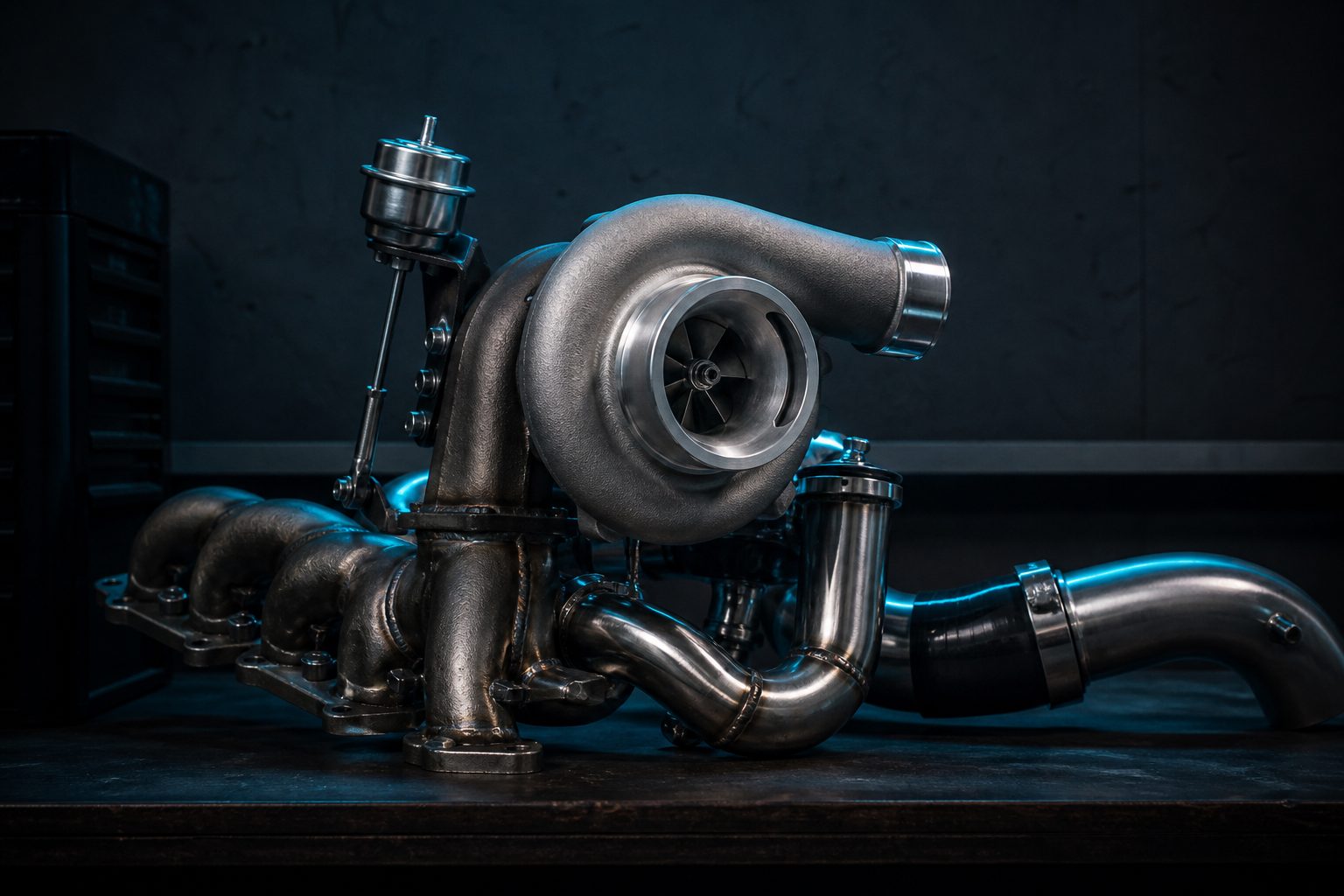
The N54 can make serious power, but once you move into a single turbo setup the margin for sloppy preparation gets smaller. The tune can only be as good as the hardware, plumbing, and data you give it.
If you want the tuning process to go smoothly, use this checklist before the first revision starts.
1. Be honest about the full setup
Your tuner needs the real version of the car, not the simplified version.
That means documenting:
- turbo and manifold setup
- wastegate and boost control hardware
- injectors, LPFP, HPFP, port injection, and controller details
- intercooler and charge piping
- downpipes and exhaust
- plugs, coils, and any recent ignition issues
- transmission type and torque limits
- fuel you intend to run regularly
On N54, tiny omissions turn into big revision delays. A hidden change in fueling or boost control can completely change how the car behaves.
2. Pressure test the system
Before blaming the tune, make sure the engine actually holds boost.
Pressure test the intake tract and inspect:
- couplers
- clamps
- intercooler connections
- vacuum routing
- boost reference lines
- diverter or blowoff valve behavior
A single small leak can distort spool, boost targeting, and fueling behavior. That gives you logs that look confusing even when the calibration strategy is reasonable.
3. Verify fueling headroom
Big N54 power depends on fuel system honesty. If the pumps, injectors, or controllers are not ready, the tune process turns into damage control.
Confirm:
- your low-pressure fuel system is healthy
- high-pressure fuel behavior is stable where relevant
- injector data is accurate
- port injection hardware and controller settings are documented
- your target fuel blend is realistic for the hardware
Do not start with vague assumptions like “it should be fine on E50.” The car needs real support for the blend you want to run.
4. Check the boost control side
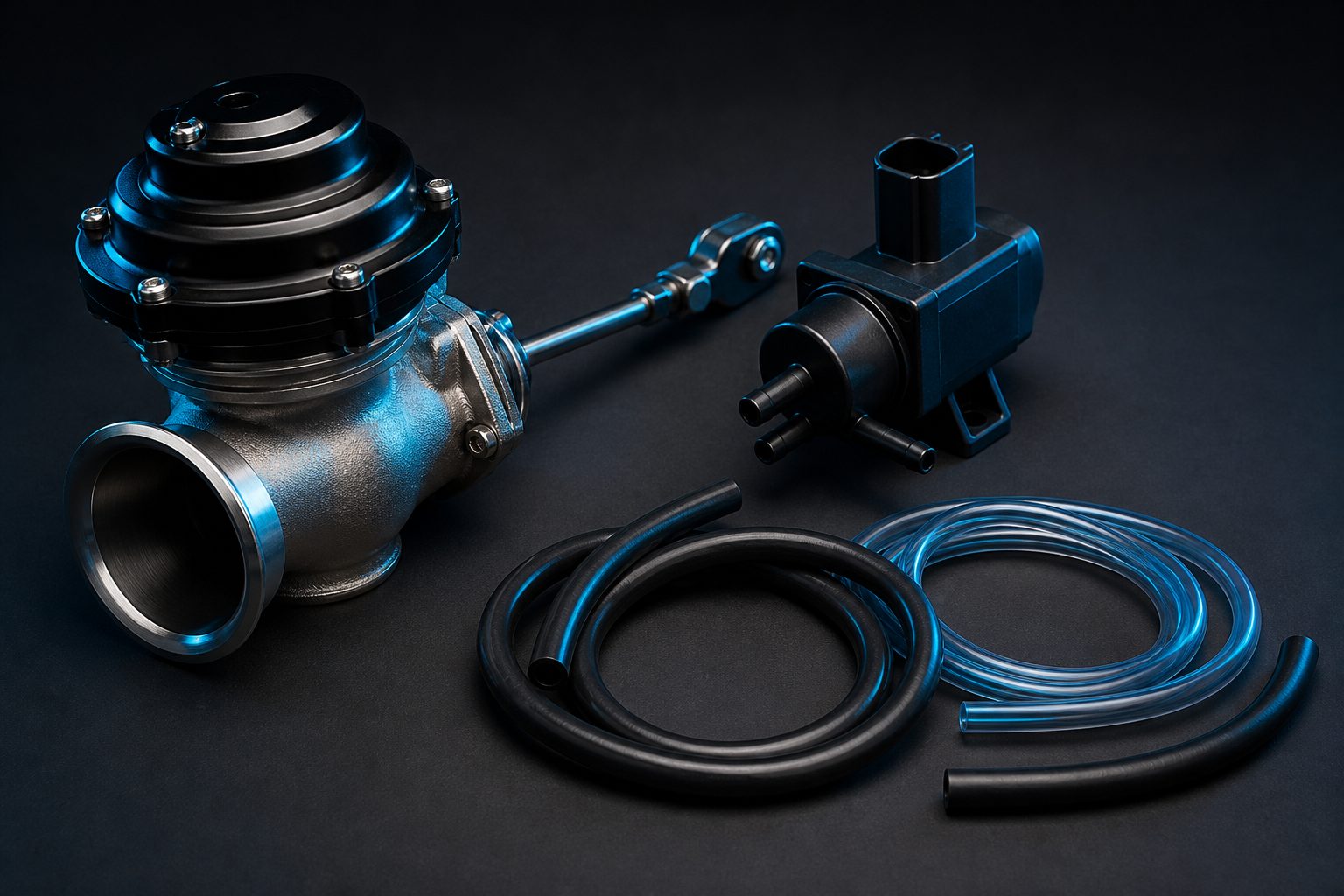
Single turbo N54 cars live and die by clean boost control. Wastegate setup, MAC valve routing, reference sources, and control strategy all matter.
Review:
- spring pressure
- wastegate preload
- boost control solenoid plumbing
- vacuum/boost source routing
- any known creep or oscillation issues
- whether the turbo setup is known for aggressive spool or surge behavior
A tune can refine boost control, but it cannot fix bad mechanical setup.
5. Fresh ignition parts save time
High cylinder pressure exposes weak ignition instantly. If the car has old plugs or questionable coils, replace them before you begin serious revision work.
This matters because random breakup under load can look like a tuning problem when it is really just hardware that is not ready for the job.
6. Make the first logs boring
Early tuning logs should be clean and repeatable, not dramatic. The goal is not to “send it” on revision one. The goal is to show the tuner a trustworthy baseline.
Good first logs usually mean:
- the car is fully warm
- the road is safe
- traction is under control
- the gear and RPM window are exactly what was requested
- the fuel in the tank matches the map being tested
Boring logs make the next revision fast. Chaotic logs waste time.
7. Watch the little things
On N54 builds, the little details pile up:
- tired sensors
- heat-soaked pulls
- poor grounds
- inconsistent ethanol content
- old filters
- wiring near hot components
- loose clamps after recent fabrication work
None of these are glamorous, but all of them can pollute the revision process.
8. Set realistic goals
Tell the tuner what matters most:
- fastest spool possible
- smooth street torque
- top-end pull
- daily reliability
- drag-strip repeatability
- flex-fuel behavior
- conservative safety margin
The “best tune” depends on the job. A street car and a roll-race build do not need the same behavior.
9. Expect revisions, not magic
A custom N54 single turbo tune is a process. The first file is a starting point. Logs reveal what the car wants, then the calibration is refined from there.
That is normal. Revisions are not a sign that something went wrong. They are the mechanism that makes a custom tune actually custom.
Final takeaway
The cleanest N54 tuning jobs start with preparation, not with boost targets.
If your fueling is documented, boost control is sorted, leaks are fixed, and your logs are clean, the entire process moves faster and with less frustration.
Before you buy, decide whether you need a quote for planning or an intake for a ready-to-tune car. The clearer the information up front, the better the end result.
Pick your platform, select your hardware stage, add what you need, and checkout to start intake immediately.
Get a Quote →