Stage 2 Ethanol Guide
B58 Stage 2 E30 Guide: Hardware, Fuel, and Logging Basics
The B58 responds extremely well to smart calibration, but the best results come from matching the tune to the real hardware, real fuel, and real use case of the car.
If you are planning a B58 Stage 2 E30 setup, think of the project in four layers:
- the mechanical setup
- the fuel quality
- the logging workflow
- the revision process
A good remote tune is not just “more boost.” It is a calibration built around repeatable power, drivability, and knock control on your specific car.
What usually makes a B58 “Stage 2”
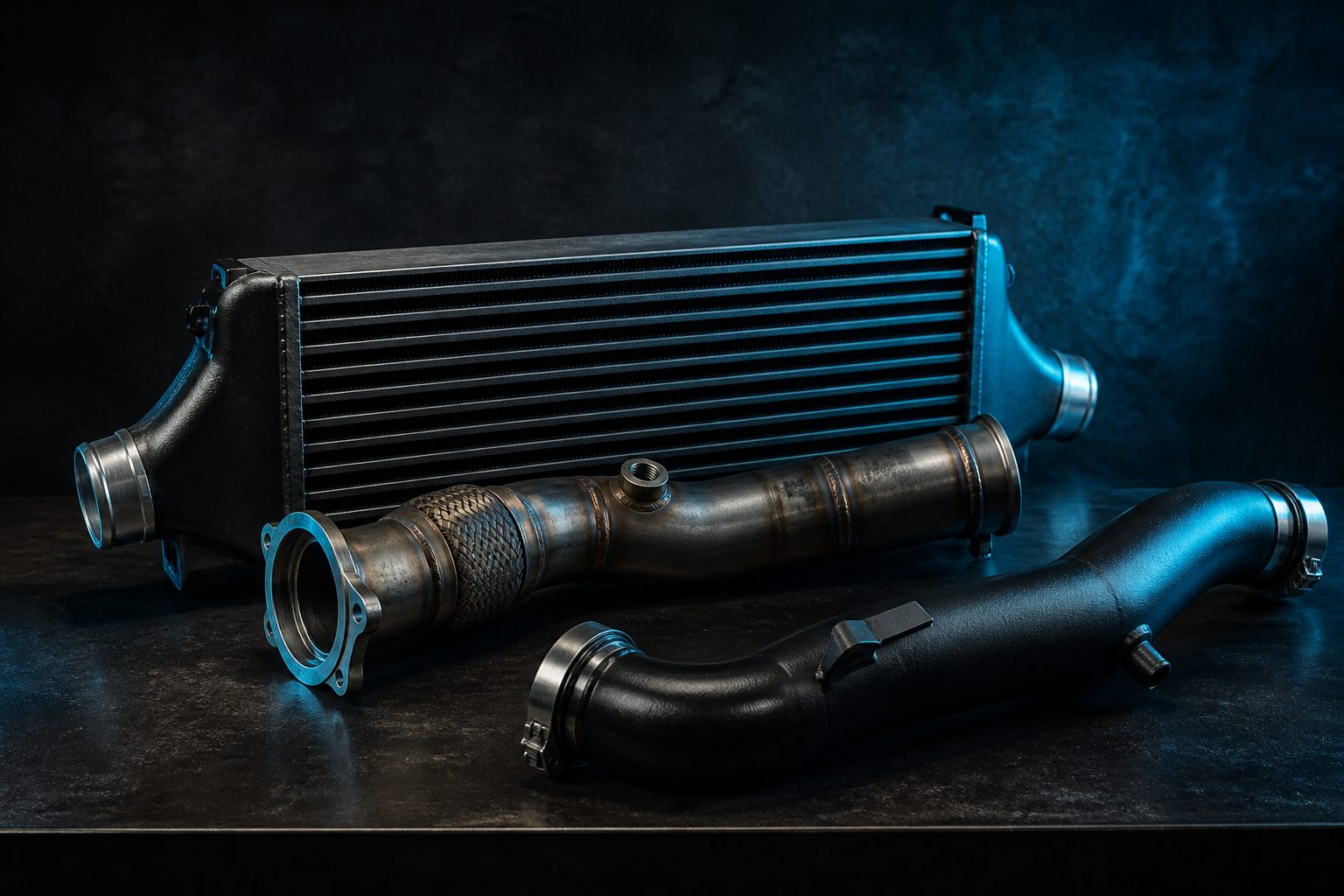
Most Stage 2 B58 cars share a familiar group of parts:
- high-flow or catless downpipe
- upgraded intercooler
- healthy spark plugs in the correct heat range
- fresh coils if the ignition system is questionable
- a reliable flashing and logging setup
- access to consistent fuel
Some cars also add intake changes or charge pipe upgrades, but the main goal is always the same: reduce restrictions, keep air temps under control, and give the calibration stable conditions to work with. Our B58 Stage 2 tune page covers what the downpipe calibration changes and what to log.
Why E30 is so popular on B58
E30 is popular because it usually offers a strong balance between:
- better knock resistance than straight pump gas
- stronger midrange and top-end response
- easier daily use than committing to full ethanol
- a wide performance margin for many stock turbo setups
The key word is consistent. A tune can only be as good as the fuel that goes into the tank. If your ethanol content changes every fill-up, the car will behave differently every time you drive it. The B58 E30 tune page explains what a fixed 30% blend calibration involves and how to mix it repeatably.
Supporting mods matter more than people think
A B58 that feels fast on a random map is not the same as a B58 that stays healthy under repeated pulls, hot weather, or back-to-back road logs.
A quality intercooler helps preserve timing and torque when intake temps rise. A downpipe reduces restriction and can improve spool and overall efficiency. Good plugs reduce the chance of misfire issues when cylinder pressure goes up.
These are not glamorous details, but they directly affect how cleanly the car will take calibration changes.
Remote tuning workflow
A proper remote B58 tune usually looks like this:
1. Setup review
The tuner reviews your exact hardware, transmission, fuel, elevation, and goals. A stock turbo daily driver on pump gas needs a different strategy than an E30 weekend car with more aggressive torque targets.
2. Base file
You receive a calibration built for your combination rather than a one-size-fits-all map.
3. Datalogging
You perform clean pulls under the conditions requested by the tuner. Those logs show how the car is actually behaving.
4. Revision
Boost control, ignition, torque shaping, and fueling are refined using real data from your car.
5. Finalization
Once the car is behaving consistently, the file is finalized around your setup and fuel.
What a tuner wants from your logs
Clean logs are worth more than a long parts list. If the logs are messy, inconsistent, or pulled in bad conditions, the revision process slows down.
Before logging:
- make sure the engine is fully warm
- use the requested gear and RPM range
- confirm the road is safe and appropriate
- avoid wheelspin, traffic, and unstable throttle input
- verify the fuel in the car matches the map you are testing
Good logs help answer the important questions quickly:
Is the boost control stable?
Is timing behavior clean?
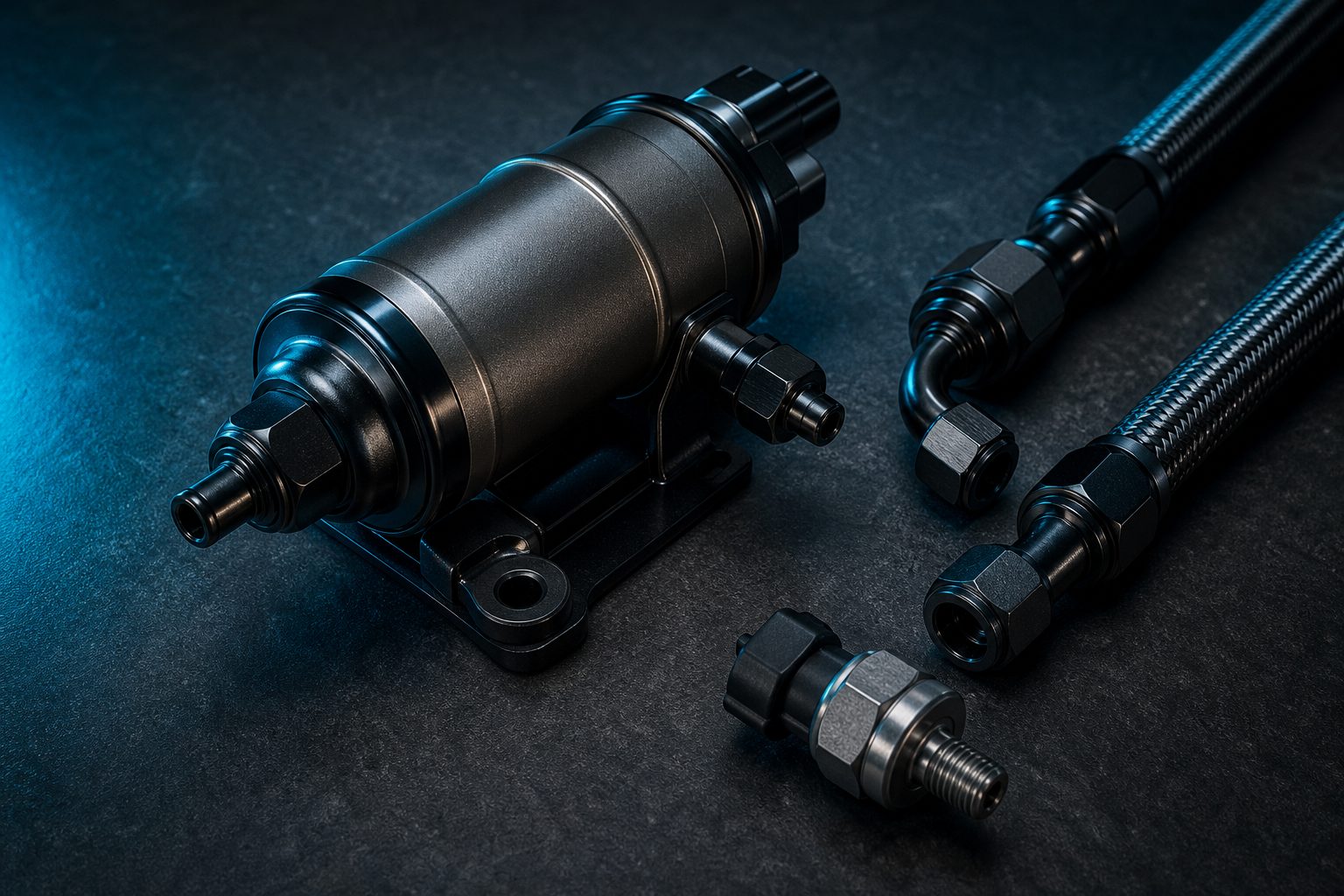
Is the fuel system doing what it should?
Is torque delivery smooth or spiky?
Common mistakes with B58 E30 setups
The most common problems are not exotic. They are usually one of these:
- mixing fuel casually without verifying the blend
- logging on inconsistent road surfaces
- ignoring old plugs or weak coils
- chasing peak dyno numbers instead of repeatable road performance
- changing hardware mid-revision without updating the tuner
These mistakes create noise in the data. Noise makes it harder to tell whether the calibration needs work or the setup itself needs attention.
What to expect from a good custom tune
A dialed B58 E30 tune should feel:
- stronger everywhere, not just at the top
- smoother and more confident in the midrange
- predictable in daily driving
- easier to repeat from pull to pull
The best custom tune is not the one that looks exciting for one screenshot. It is the one that stays clean, consistent, and enjoyable over time.
Final takeaway
If you want the most from a B58 Stage 2 E30 setup, focus on consistency:
- consistent hardware
- consistent fuel
- consistent logs
- consistent revision feedback
That is how remote tuning becomes more than a file purchase. It becomes a calibration process built around your exact car.
Want help with your setup? Start with a quote if you are still planning parts, or go straight to intake if the car is ready for log-based revision.
Pick your platform, select your hardware stage, add what you need, and checkout to start intake immediately.
Get a Quote →